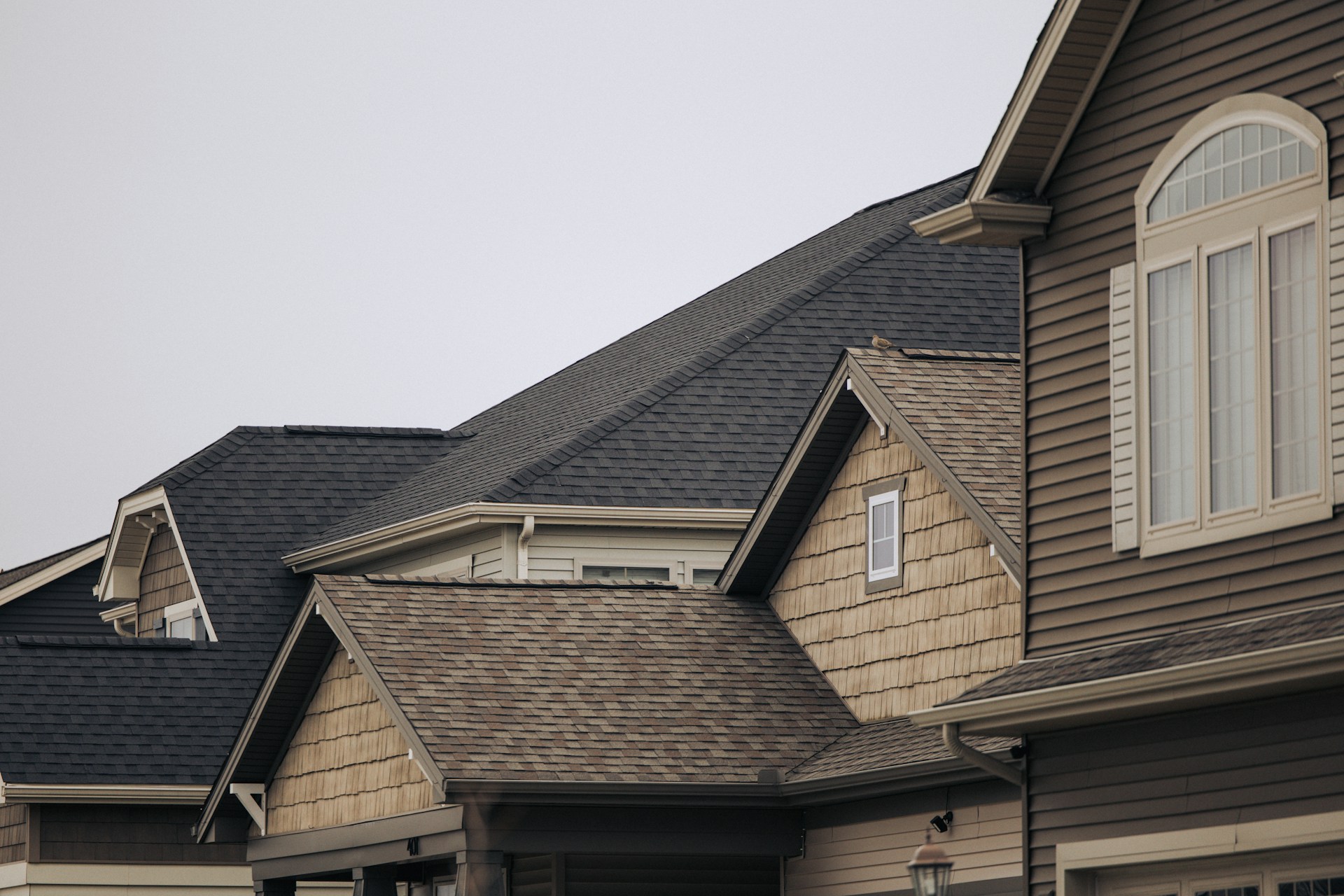
How Does Nampa Weather Affect Asphalt Shingle Roofs?
Nampa’s sun, wind, hail, temperature swings, and dry Canyon County climate can all wear down asphalt shingles over time, making regular roof inspections and timely repairs important for protecting your home.
Nampa weather can be hard on asphalt shingle roofs. Between hot summer sun, seasonal wind, sudden hail, winter moisture, and the dry climate common across Canyon County, shingles deal with more stress than many homeowners realize. Asphalt shingles are still one of the most practical and popular roofing options for homes in Nampa, Caldwell, and the surrounding Treasure Valley, but they perform best when they are properly installed, well ventilated, and checked before small issues turn into bigger roof problems.
For homeowners, the important question is not just whether asphalt shingles can handle Nampa weather. They can. The better question is whether your specific roof is aging properly, shedding water correctly, and holding up against the local conditions that cause cracking, curling, granule loss, leaks, and storm damage.
Why Nampa Weather Matters for Asphalt Shingle Roofs
Asphalt shingles are designed to protect your home from sun, wind, rain, snow, and debris. But in Nampa, those conditions can show up in extreme or repetitive ways. Long periods of summer heat can dry out shingles. Wind can lift vulnerable edges. Hail can bruise or crack the surface. Cold nights and warmer days can cause expansion and contraction across the roof system.
Over time, this weather exposure can weaken the shingles and the layers underneath them. That is why homeowners should pay attention to visible wear, especially on older roofs or homes that have not had a professional inspection in several years.
If your roof is already showing signs of wear, scheduling roof repair in Nampa can help stop minor weather damage from spreading into leaks, decking issues, or premature roof replacement.
How Sun and Heat Affect Asphalt Shingles in Nampa
Nampa summers can expose roofs to long hours of direct sunlight. UV rays and heat gradually dry out asphalt shingles, which can make them more brittle as they age. When shingles lose flexibility, they are more likely to crack, curl, or shed protective granules.
Granules are especially important because they protect the asphalt layer underneath from sun damage. When too many granules wear away, shingles can age faster and become less effective at protecting the roof.
Common signs of sun and heat damage include:
Faded or uneven shingle color
Shingles that look dry, brittle, or cracked
Curling edges or lifted corners
Excessive granules in gutters or downspouts
Bare-looking patches on the roof surface
This does not always mean the roof needs to be replaced immediately. In some cases, targeted repairs may be enough. In others, widespread sun damage may mean the roof is nearing the end of its service life.
Wind Can Lift, Loosen, and Damage Shingles
Wind is one of the biggest causes of asphalt shingle roof damage in Nampa and Canyon County. Even when shingles are not fully blown off, strong gusts can lift shingle tabs and weaken the seal that helps keep them flat against the roof.
Once shingles are lifted, water can get underneath them during rain or snowmelt. That can lead to leaks, soft decking, interior water stains, and damage around roof penetrations like vents, chimneys, and skylights.
After a major wind event, homeowners should look for:
Missing shingles
Lifted or loose shingle edges
Exposed nail heads
Shingle pieces in the yard
Water stains in the attic or ceiling
Drip edge, flashing, or ridge cap damage
A local roofer can inspect the roof closely and determine whether the issue is isolated storm damage or part of a larger roofing problem.
Hail Can Bruise Asphalt Shingles
Hail damage is not always obvious from the ground. Sometimes hail leaves clear marks, but other times it bruises the shingle surface and knocks away granules without creating an immediate leak. That makes hail damage easy to overlook until months later, when the affected shingles begin wearing down faster.
For asphalt shingle roofs, hail can cause:
Circular impact marks
Granule loss in concentrated spots
Soft bruised areas on shingles
Cracked shingles
Damage to ridge caps, vents, gutters, or flashing
If your Nampa or Caldwell home has been through a hailstorm, it is smart to schedule an inspection even if the roof looks fine from the driveway. Early documentation can also be helpful if the damage becomes part of an insurance-related repair or replacement conversation.
Temperature Swings Can Stress the Roof System
Nampa roofs also deal with temperature changes between hot days, cooler nights, and seasonal shifts. Asphalt shingles expand and contract as temperatures change. This is normal, but repeated movement can make existing weaknesses worse.
Older shingles, poorly installed shingles, and roofs with ventilation problems are more vulnerable to this kind of stress. Over time, temperature swings can contribute to cracking, nail movement, seal failure, and gaps where water can enter.
This is one reason proper installation matters so much. Quality asphalt shingle roofing in Nampa is not just about the shingles themselves. It also depends on underlayment, ventilation, flashing, fasteners, roof decking, and correct installation details.
Moisture, Snow, and Freeze-Thaw Conditions
Although Nampa is not known for extreme mountain winters, winter moisture can still affect asphalt shingle roofs. Rain, snow, frost, and freeze-thaw cycles can create issues when the roof already has weak points.
Moisture problems are especially common around:
Valleys
Roof edges
Chimneys
Plumbing vents
Skylights
Wall intersections
Low-slope roof sections
Damaged flashing
If water gets under damaged shingles, it can reach the roof decking and eventually the interior of the home. In some cases, homeowners do not notice the issue until they see ceiling stains, musty attic smells, or damaged insulation.
Poor Ventilation Can Make Weather Damage Worse
Roof ventilation plays a major role in how well asphalt shingles perform. When attic ventilation is poor, heat and moisture can build up underneath the roof deck. That can make shingles age faster from both sides: sun and heat from above, trapped attic heat from below.
Poor ventilation can also contribute to moisture buildup, warped decking, mold concerns, and higher cooling costs during hot weather.
Signs your roof may have ventilation problems include:
Uneven roof aging
Hot upstairs rooms
Musty attic smells
Moisture on attic surfaces
Shingles curling before expected
Ice or frost issues during winter
For Nampa homes, proper roof ventilation helps asphalt shingles last longer and keeps the full roof system performing the way it should.
When Nampa Weather Means You Need Roof Repair
Not every damaged shingle means you need a new roof. Many weather-related issues can be repaired if they are caught early. Missing shingles, small leak points, minor flashing issues, or isolated storm damage may be fixable without replacing the entire roof.
Roof repair may be the right choice if:
Damage is limited to one area
The roof is still relatively young
Shingles are mostly lying flat
There is no widespread granule loss
The roof decking is still solid
Leaks are small and recently discovered
This is where a local inspection is important. A roofer who works in Nampa, Caldwell, and Canyon County can assess whether the damage is isolated or part of a larger pattern.
When Weather Damage Points Toward Roof Replacement
If asphalt shingles are old, brittle, curling, or losing granules across large sections of the roof, replacement may be the better long-term option. Continually repairing an aging roof can become expensive, especially if the shingles are no longer providing reliable protection.
Roof replacement may make more sense if:
Shingles are cracking across multiple slopes
Granule loss is widespread
The roof is near the end of its expected lifespan
There are recurring leaks
Storm damage affects large areas
Repairs would only be a temporary fix
The roof has ventilation or decking concerns
For homeowners comparing repair and replacement, a professional inspection can give a clear answer based on the roof’s age, condition, installation quality, and exposure to Nampa weather.
Are Asphalt Shingles Still a Good Choice for Nampa Homes?
Yes, asphalt shingles are still a strong and practical choice for many Nampa homes. They are cost-effective, widely available, attractive, and suitable for many residential roof types. The key is choosing quality shingles, installing them properly, and maintaining the roof before weather damage becomes serious.
For many homes in Nampa, Caldwell, and Canyon County, asphalt shingles offer a good balance of affordability, durability, and curb appeal. They may not be the only roofing option, but they remain one of the most common and dependable choices when installed by an experienced local roofing contractor.
Homeowners who want a deeper explanation of local roof wear can also read more about how Nampa weather affects asphalt shingle roofs and when to schedule an inspection.
Protect Your Nampa Roof Before Weather Damage Gets Worse
Nampa weather can slowly wear down asphalt shingle roofs through sun exposure, wind, hail, moisture, and seasonal temperature changes. Some damage is easy to see, while other issues stay hidden until leaks or interior damage appear. That is why regular roof inspections and timely repairs are so important.
Whether your roof has missing shingles after a windstorm, granule loss from age and sun exposure, or possible hail damage, working with a local roofing contractor gives you a clearer path forward. The right team can inspect the roof, explain the condition honestly, and recommend whether repair or replacement is the smarter investment.
For homeowners in Nampa, Caldwell, and throughout Canyon County, taking care of asphalt shingle damage early is one of the best ways to protect the home, extend the life of the roof, and avoid more expensive problems later.
Have a roofing project in Boise, Meridian, or Nampa? Give us a call and we'd be happy to help with your project!